
Environmental Radioactivity Seminar held in Hamadori Region on November 8-9, 2025
On November 8 and 9, 2025, a special seminar titled “Environmental Radioactivity Seminar in Hamadori” was held in Futaba Town, Okuma Town, Tomioka Town, and Namie Town in the Hamadori region of Fukushima Prefecture. This seminar was held in the framework of the “Human Resource Infrastructure Development Project Using ‘Fukkou-Chi’ (Reconstruction Knowledge) at Universities”, which is carried out by the Fukushima Innovation Coast Promotion Organization. IER is participating as a co-applicant in one of the projects “Establishment Intellectual Exchange Bases through the Capacity Building in the Field of Disaster and Radiation Medicine Sciences”, of which Nagasaki University is the implementing body. The seminar was attended by 21 students from Fukushima University, Fukushima Medical University, and the National Institute of Technology, Fukushima College.
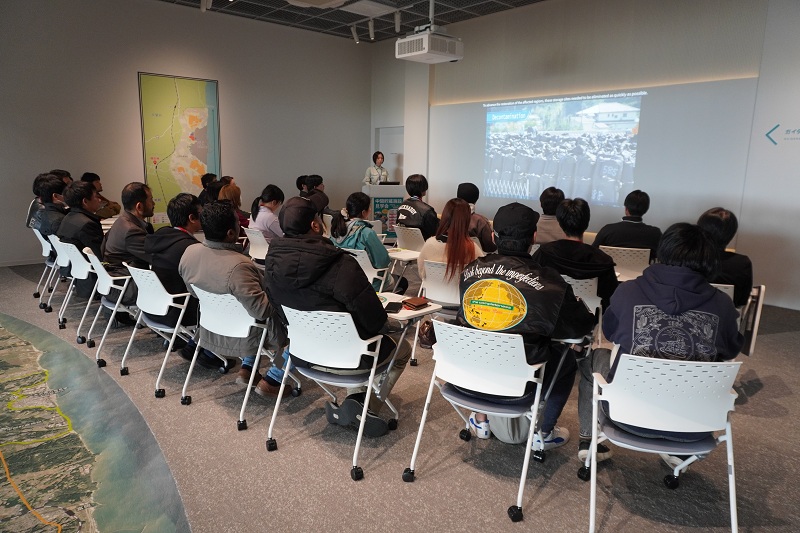
The first day began with lectures at the Great East Japan Earthquake and Nuclear Disaster Memorial Museum (“Denshokan”) in Futaba Town. Director Nanba gave opening remarks and explained the purpose of this seminar. Then, two faculty members from IER (Professor WADA Toshihiro and Associate Professor WAKIYAMA Yoshifumi) and Professor ISHIKAWA Nao from the Faculty of Agriculture, Iwate University delivered lectures on the ecological and environmental effects of radioactive materials released during the Fukushima Daiichi nuclear accident.
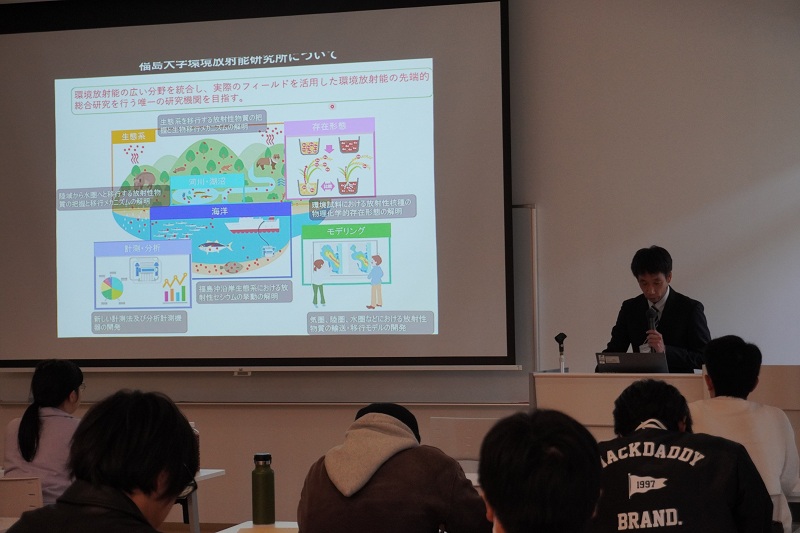
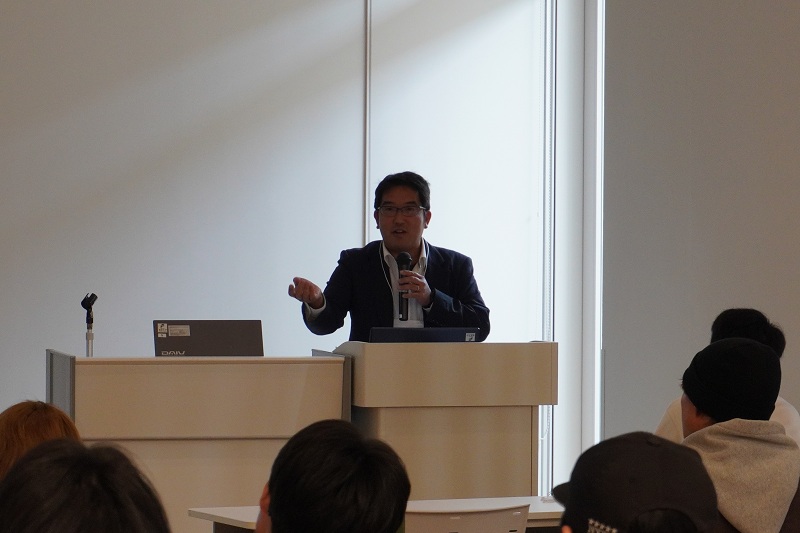
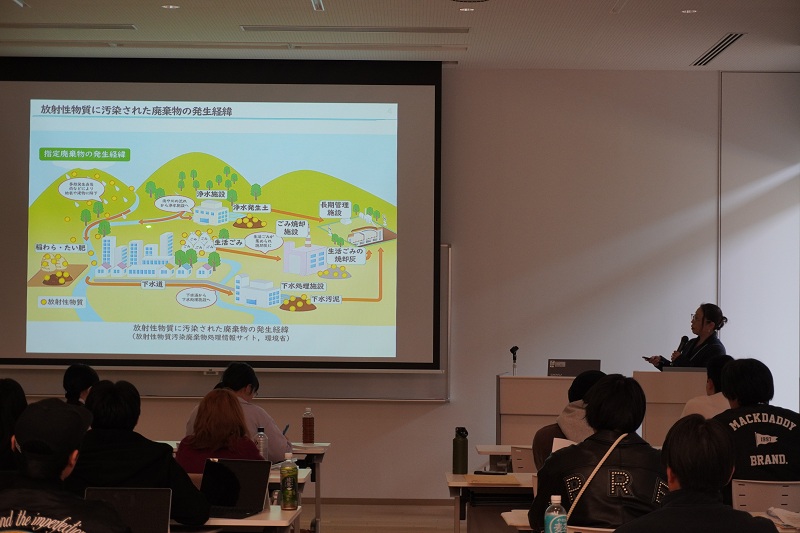
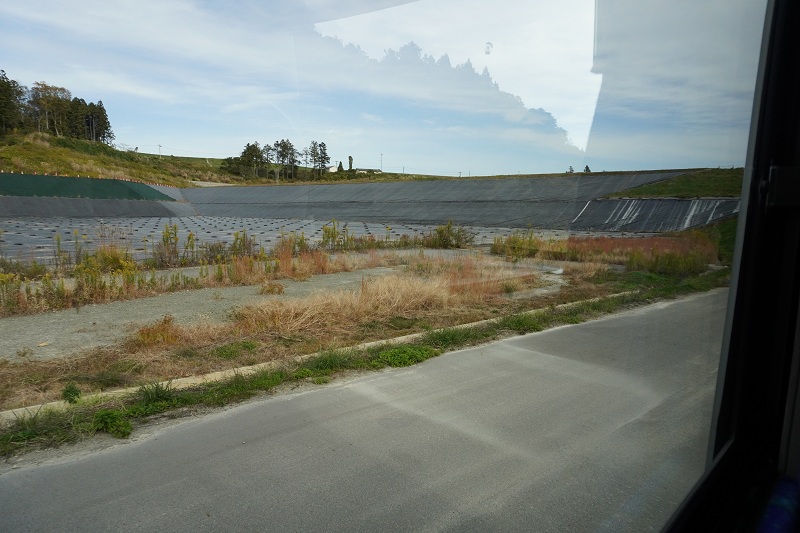
In the afternoon of the first day, we visited the Interim Storage Facility Information Center (Okuma Town) and the TEPCO Decommissioning Archive Center (Tomioka Town). In previous years, we were able to get off the bus inside the interim storage facility to conduct activities such as radiation measurements. However, this year, bears were sighted within the facility, so we were not permitted to leave the vehicle and had to observe from the bus windows.
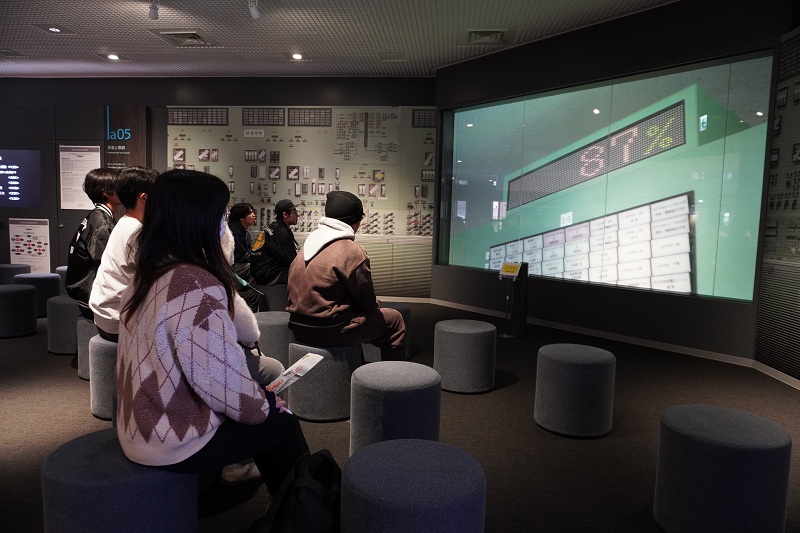
On the morning of the second day, after viewing the exhibits at the Denshokan, we participated in the Denshokan’s fieldwork program, which involved touring the disaster-affected areas of Namie Town and Futaba Town by bus, and we received explanations about the situation at the time of the disaster and the subsequent progress of reconstruction.
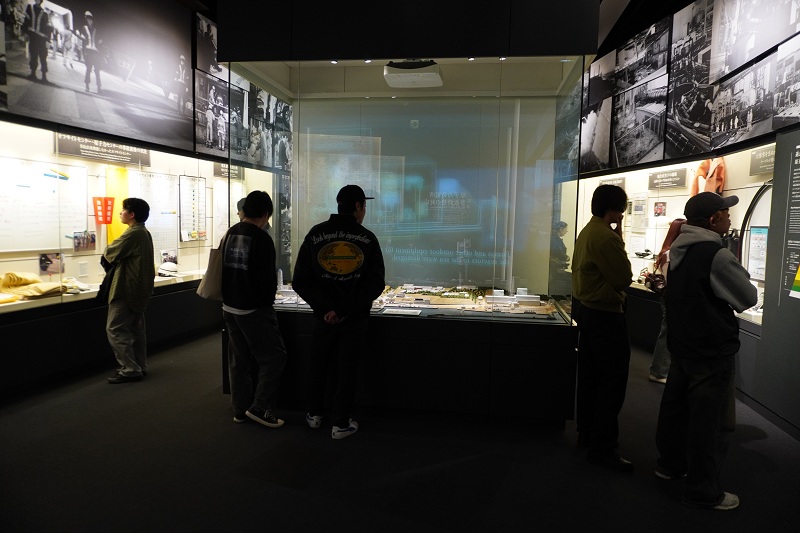
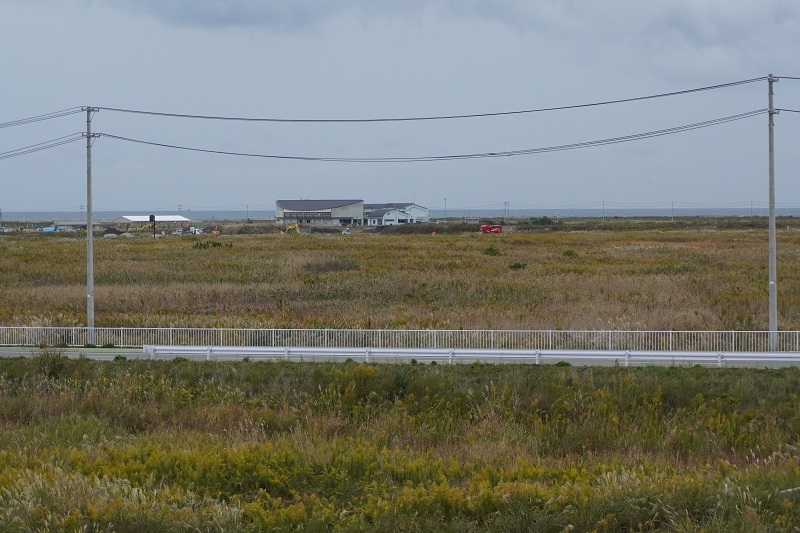
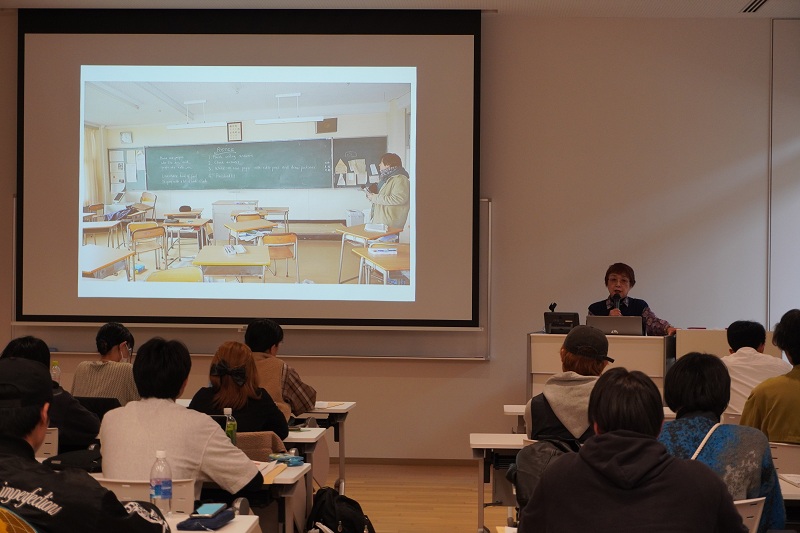
In the afternoon, we listened to a lecture by a Denshokan storyteller. The storyteller, an alumna of Fukushima University, spoke about the ongoing nature of the nuclear disaster, how ordinary daily life can be suddenly snatched away, and how insensitive remarks can further distress those affected. Her story appeared to leave an especially strong impression on the students.
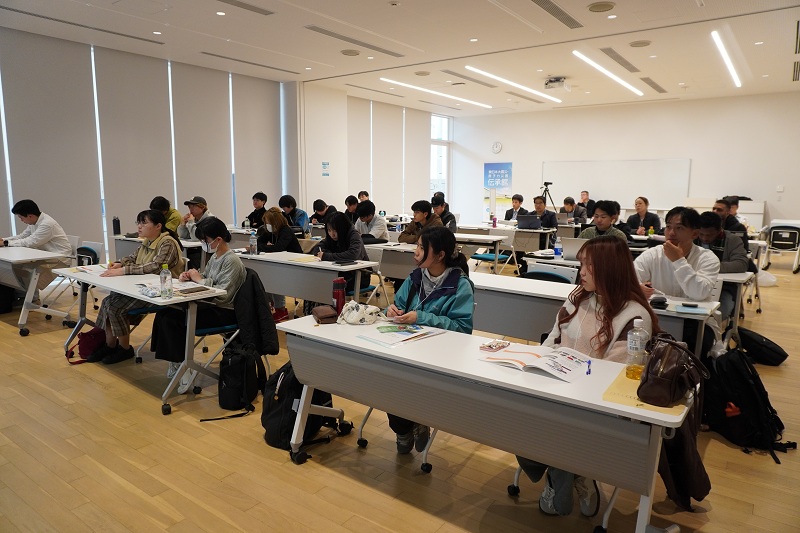
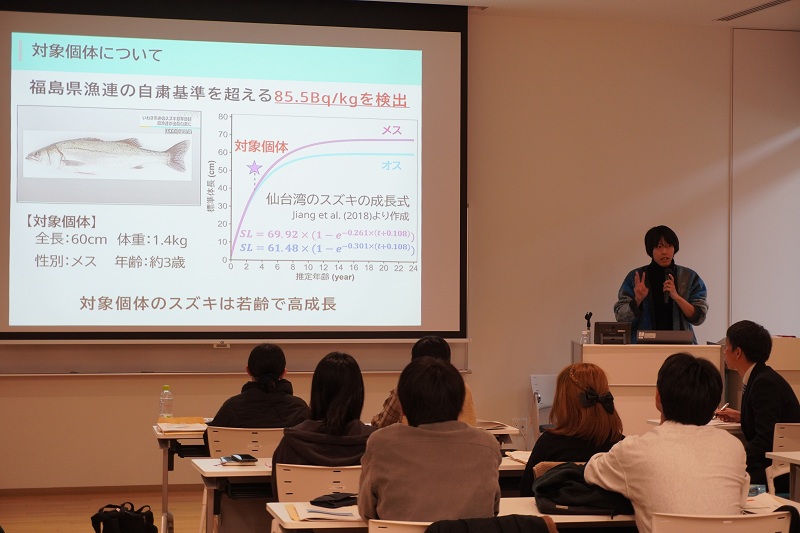
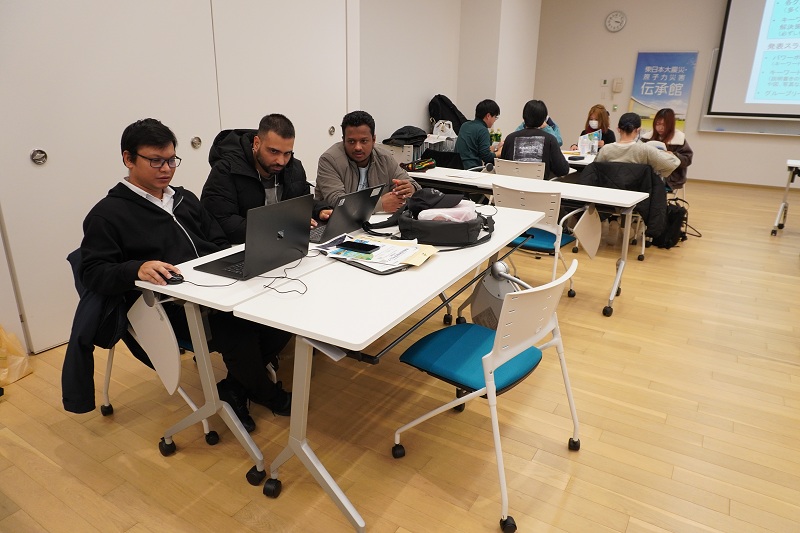
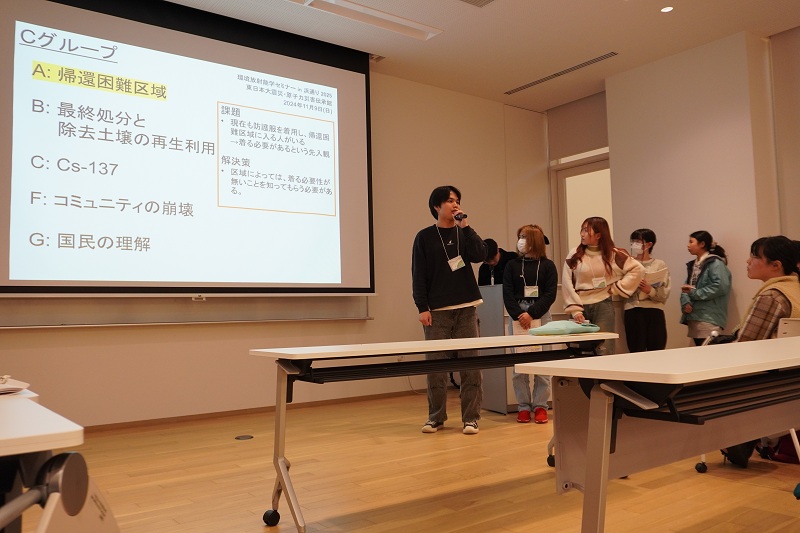
After that, graduate students majoring in Environmental Radioactivity at Fukushima University gave research presentations, followed by group discussions involving undergraduates from Fukushima University as well as students from Fukushima Medical University and the National Institute of Technology, Fukushima College. We received positive feedback from both humanities and science students, who said it was very meaningful to engage with a wide variety of perspectives.
IER would like to continue to provide students with opportunities to see and hear firsthand the current situation in the areas affected by the nuclear accident, and to be involved in the development of human resources who can contribute to the reconstruction of the Hamadori region.