October 21, 2024, 4th IER seminar of FY2024 was held <graduate students, Project Researcher Orosun>
| Date & Time | Mon. October 21, 2024, 13:30-15:00 JST |
| Venue | 6F Conference room, Main Bldg. IER/Online (Zoom) |
| Speakers | KODAMA Fuya (Second year master’s student, major in Environmental Radioactivity) SHOJI Nobutoshi (Second year master’s student, major in Environmental Radioactivity) Project Researcher Muyiwa Michael OROSUN (Presentation order) |
| Lecture Titles | Seasonal changes of radiocesium contamination of fish and environments in the Ukedo River system (Kodama) Influence of Fukushima Dai-ichi Nuclear Power Plant accident, explored with land transaction data in Fukushima Prefecture (Shoji) Environmental Impact of mining: New Insights from Risk Assessment of Naturally Occurring Radionuclides and Potentially Toxic Elements due to Mining Activities in Nigeria (Orosun) |
| Participants | 17 |
Institute of Environmental Radioactivity (IER) regularly holds the IER seminar in which the faculty members report on their research results, with the aim of facilitating their research activities and promoting communication.
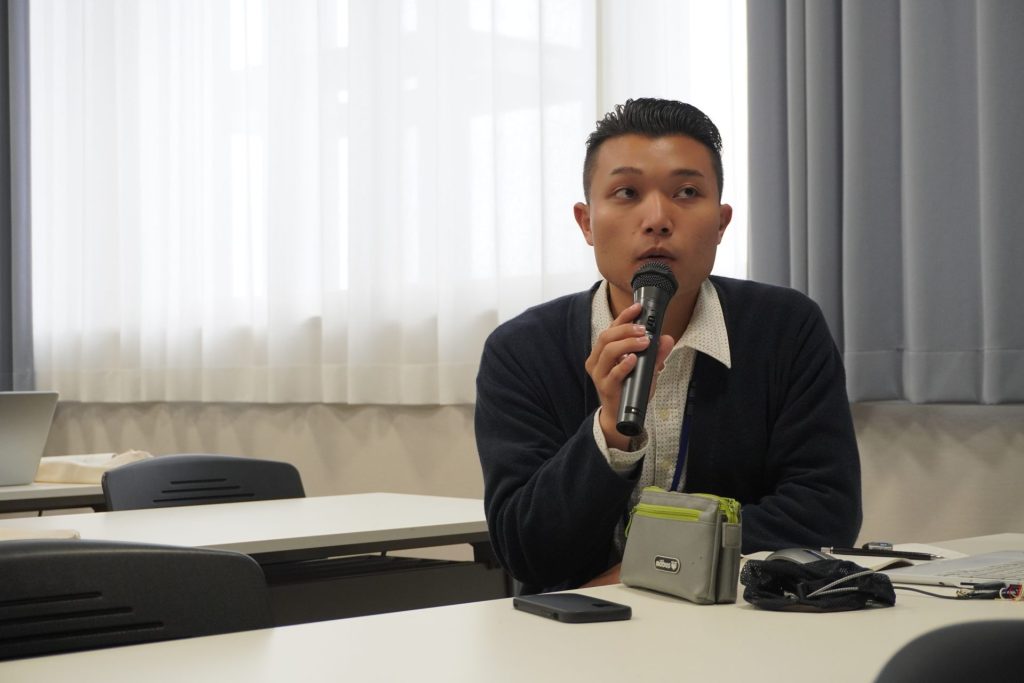
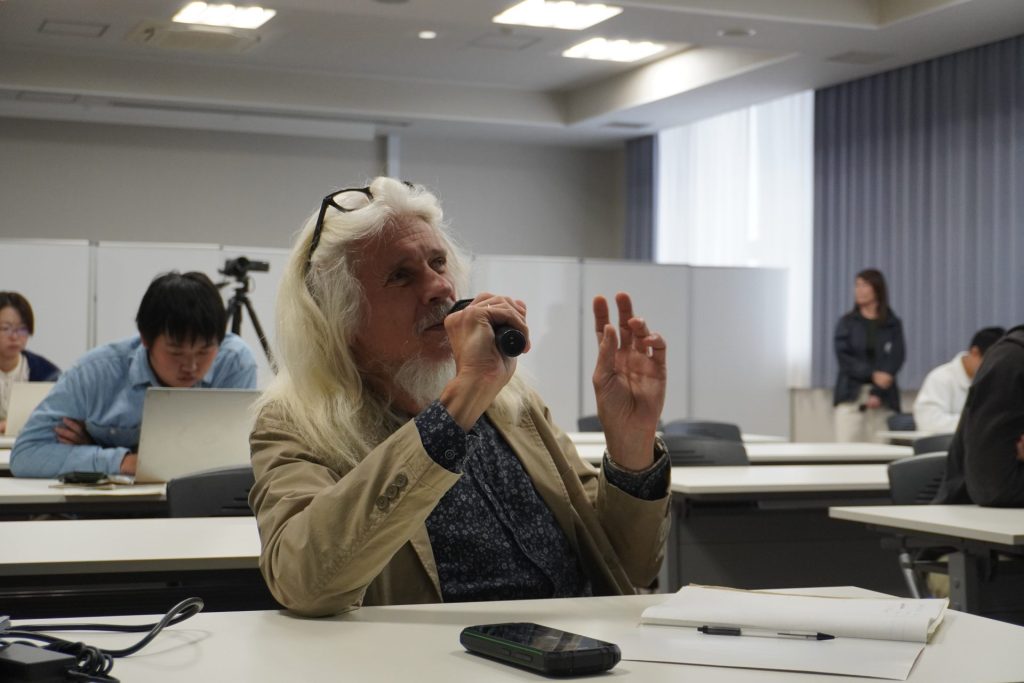
In the 4th IER seminar of this fiscal year that was held on October 21, 2024, three presentations were given by two master’s students majoring in Environmental Radioactivity and Project Researcher Muyiwa Michael Orosun to 17 participating researchers and students as follows.
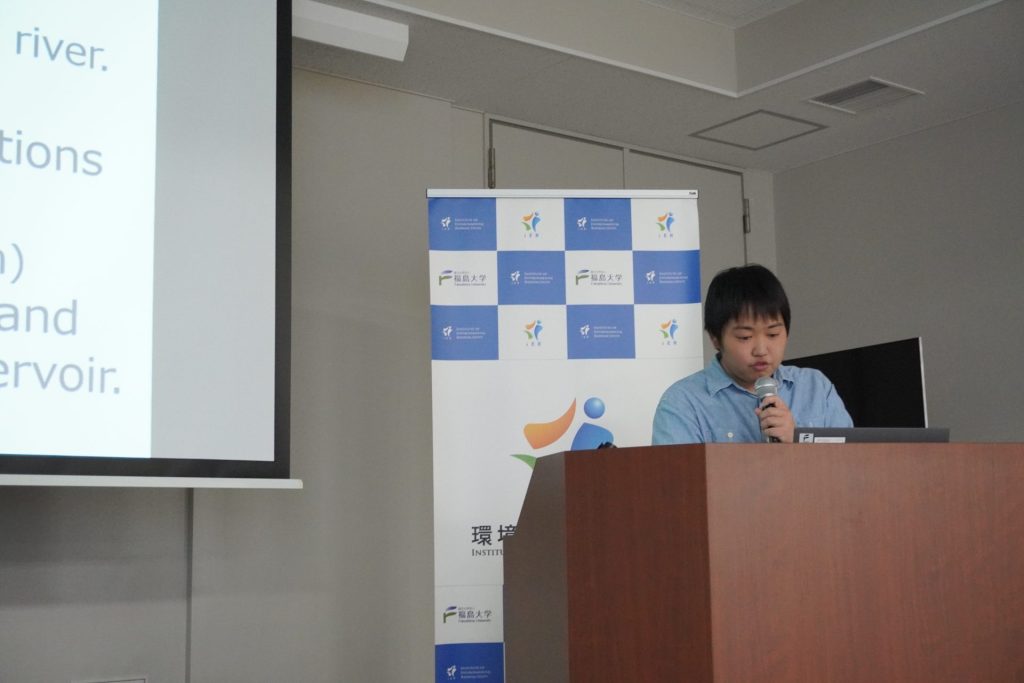
Graduate student Mr. Kodama from Wada laboratory presented his research conducted at Ogaki Dam reservoir and Kodeya river. Studies were carried out every three months from June 2023 to June 2024. His presentation focused on 137Cs concentration of fish, environmental water, bottom sediment, and their seasonal changes, environmental parameters such as water temperature, dissolved oxygen and their seasonal changes in Ogaki Dam reservoir.
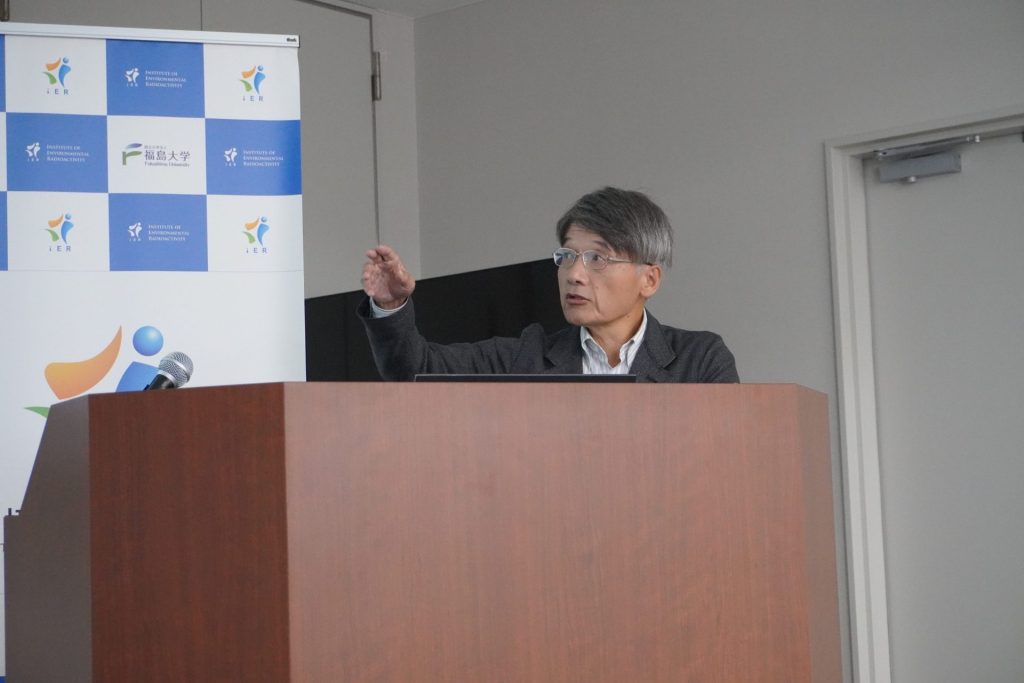
Graduate student Mr. Shoji from Wakiyama laboratory gave a presentation about the effects of changes in air doses over time after the nuclear accident on land transactions. In his research, he used GIS and interviewed real estate agents in Iwaki City and Koriyama City. As a result, there was no significant correlation between air dose rate and land transactions. The promotion of administrative measures such as decontamination and reconstruction policies and the resulting gradual reduction of annual doses (1 mSv or less) might have had a significant impact on the transactions. In addition, since various circumstances are involved in land transactions, it was found that it is difficult to isolate only the effects of radiation doses.
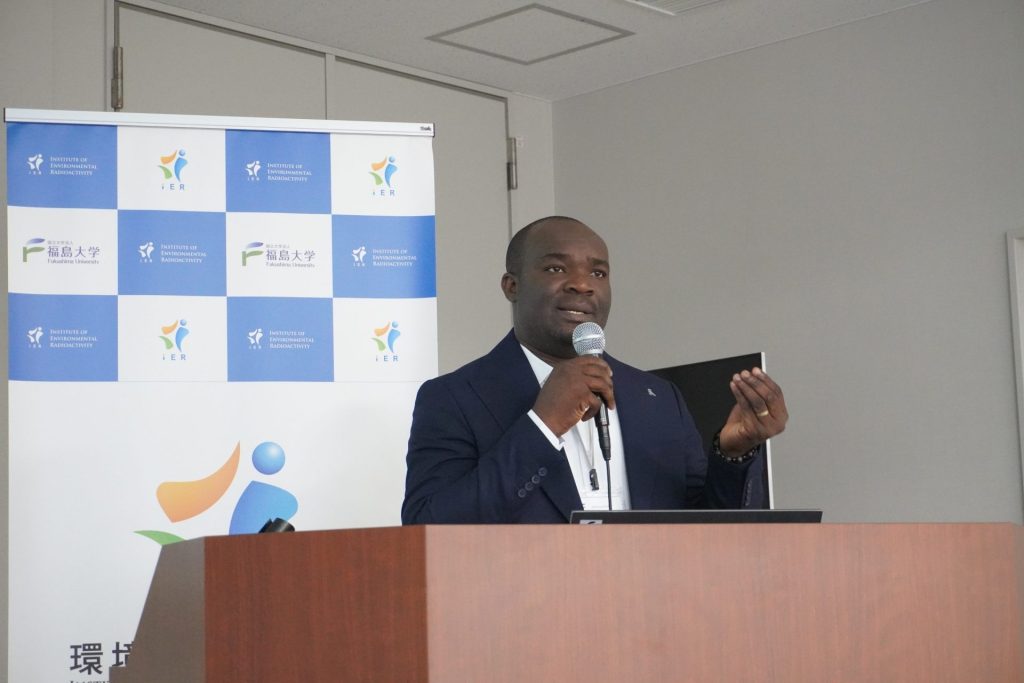
Project Researcher Orosun presented assessed naturally occurring radionuclide (NOR) and Potentially Toxic Elements (PTEs) concentrations around mining sites in Northcentral Nigeria. Measurements revealed contamination exceeding recommended limits, posing health risks. Activity concentrations of 238U, 232Th, and 40K were detected. Radiological hazard parameters and PTEs such as Pb and As, exceeded safe limits in most locations. Risk assessments showed medium to high risks. The study concludes that mining contaminates the environment, recommending stricter regulations, monitoring, and public awareness. Quality control, education, and adherence to standards are necessary to mitigate risks. The data in this study provides a baseline for future radiological references.
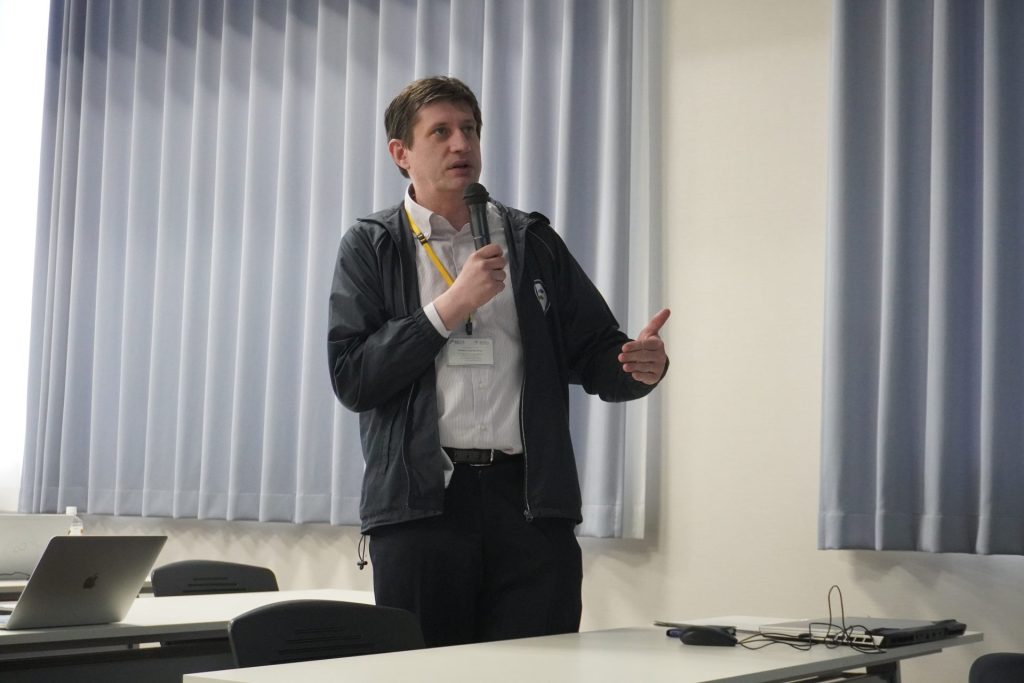
After each presentation, various questions and comments were raised by IER faculty members and graduate students.