The 25th Dialogue Meeting held at IER on December 25, 2025
| Date & Time | Thursday, December 25, 2025, 13:30-15:45 |
| Venue | Conference Room A206, 2F, IER Main Building |
| Lecture Title | 137Cs discharge from the Ukedo River and its impact on coastal waters (WAKIYAMA Yoshifumi, Associate Professor of IER) |
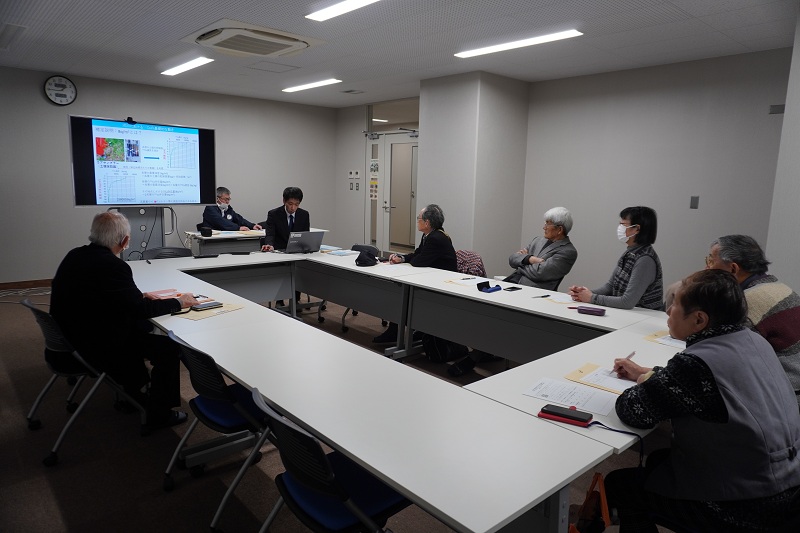
The Institute of Environmental Radioactivity (IER) has been holding dialogue meetings several times a year since 2016 to share our research findings with the local community. The 25th session, titled “137Cs discharge from the Ukedo River and its impact on coastal waters,” was attended by six participants, mainly including those involved in the local fisheries of the Hamadori region.
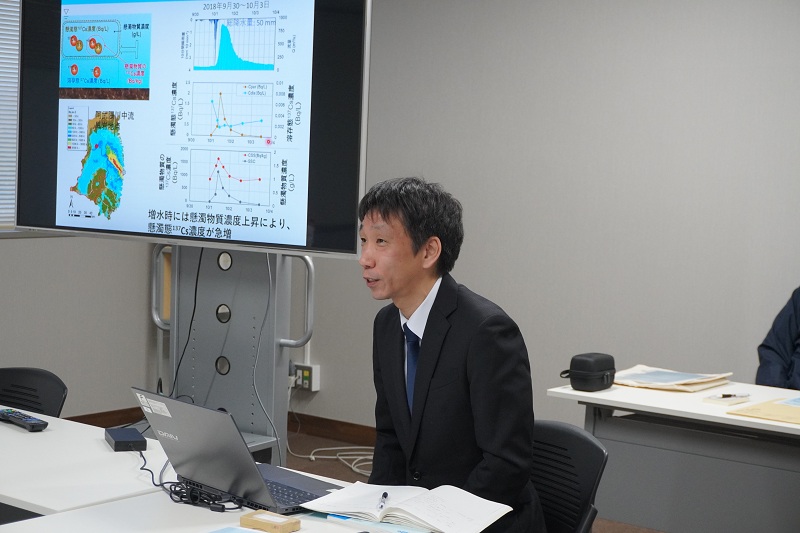
Associate Professor Wakiyama presented the outflow of 137Cs from the Ukedo River and its impact on the adjacent coastal waters, dividing his presentation into three major topics. First, regarding the fundamental behavior of 137Cs in rivers, he explained that 137Cs is primarily discharged in suspended form. He noted that the annual discharge amount was reported to be around 1% of the total deposition inventory in the river basin even in the 2011 observations, and it has decreased further in recent years alongside declining 137Cs concentrations. Furthermore, he pointed out that even after taking into account the reductions due to physical decay and decontamination, approximately 60% of the 137Cs is estimated to still remain in the terrestrial environment.
Next, based on actual observations in the Ukedo River, he reported that 137Cs discharge through the river is influenced by complex factors, including rainfall patterns, land use, and the distribution of 137Cs within the basin. Regarding the movement of 137Cs in the coastal waters of the Ukedo River, he explained—by reviewing preceding observations—that 137Cs concentrations in seabed sediment and seawater tend to be higher near the Ukedo River and the Fukushima Daiichi Nuclear Power Plant compared to other areas. He also noted that while concentrations may temporarily increase due to the impact of typhoons, they show a decreasing trend over the long term.
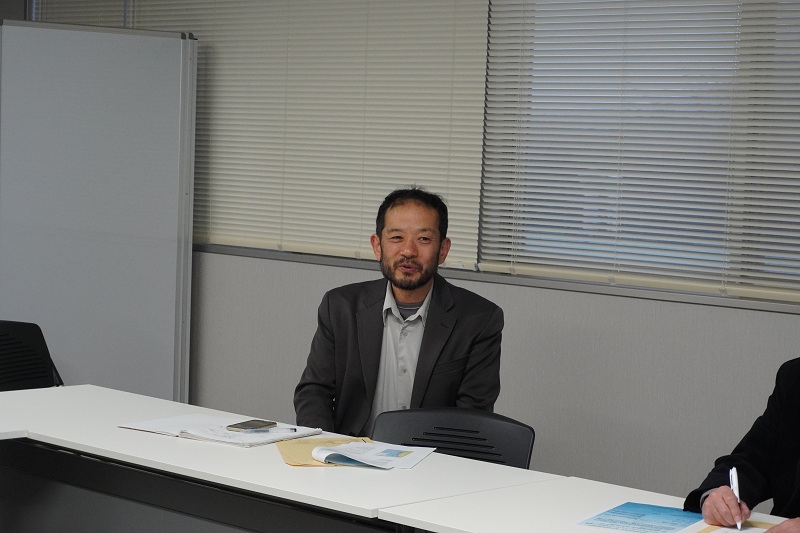
Following Associate Professor Wakiyama’s presentation, a discussion was held with Professor Nanba, Director of IER, serving as the facilitator. The participants raised a variety of questions and opinions, making it a very active and engaging session.